STRATEGIC FRAMEWORKS战略框架
Frameworks框架
Four theories. One question.四套理论,一个问题。
InsightBridge Global originates the frameworks it applies. Four are in active use, and they are not four separate ideas — they are four answers to one question: what determines whether an organisation survives a change it did not choose?洞见桥全球生产自己所应用的框架。目前在用的有四套,而它们不是四个彼此独立的想法——它们是对同一个问题的四个回答:是什么决定一个组织能否熬过一场自己没有选择的变化?
Core Code Theory answers it at the level of capability, separating what can be codified from what cannot. The Home Model answers it at the level of relationship, arguing that the binding force is covenant rather than optimisation. Governance Debt answers it at the level of accumulation, treating deferred governance decisions as compounding liabilities. Dynamic Driver Replacement Theory answers it at the level of time, modelling how an organisation exchanges an exhausted driver for a new one without losing structural stability.《核心代码理论》在能力层面回答:区分什么可被编码、什么不能。《家园模型》在关系层面回答:维系组织的力量是契约而非优化。《治理负债》在累积层面回答:被推迟的治理决策是会复利的负债。《动态驱动力替代理论》在时间层面回答:组织如何在不失去结构稳定性的前提下,用新驱动力替换已耗尽的旧驱动力。
Each is stated precisely enough to be wrong.每一套都被陈述得足够精确,以至于可以是错的。
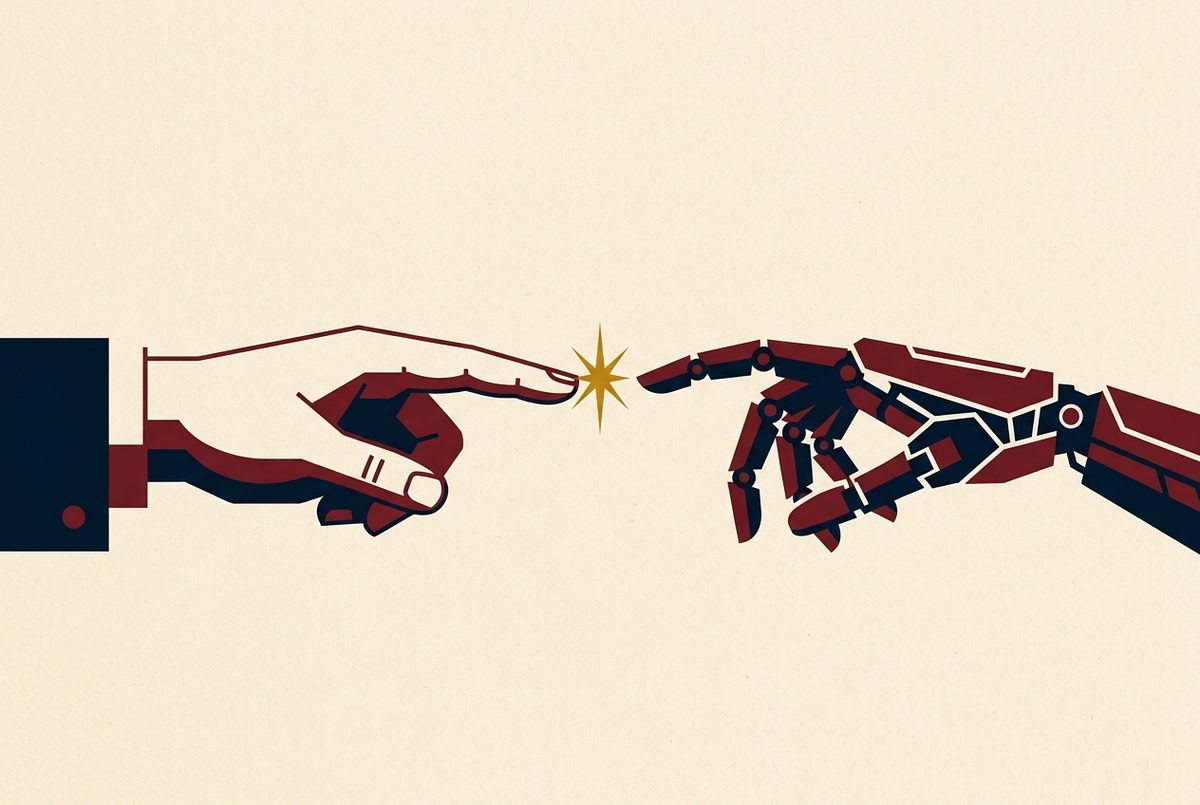
Core Code Theory (CCT)核心代码理论
Separates an organisation's codifiable Performance UI from its tacit, identity-based Core Code — and locates the exact boundary along which artificial intelligence can substitute for human work.区分组织可编码的表现层界面与内隐的、基于身份的核心代码,并指出人工智能替代人类工作的确切边界所在。

The Home Model家园模型
A covenant-based governance framework built on the proposition that management is not optimisation but covenant, and that the capability AI cannot replicate is identity fusion under crisis.基于契约的治理框架,其命题是:管理不是优化而是契约,而人工智能无法复制的能力是危机中的身份融合。
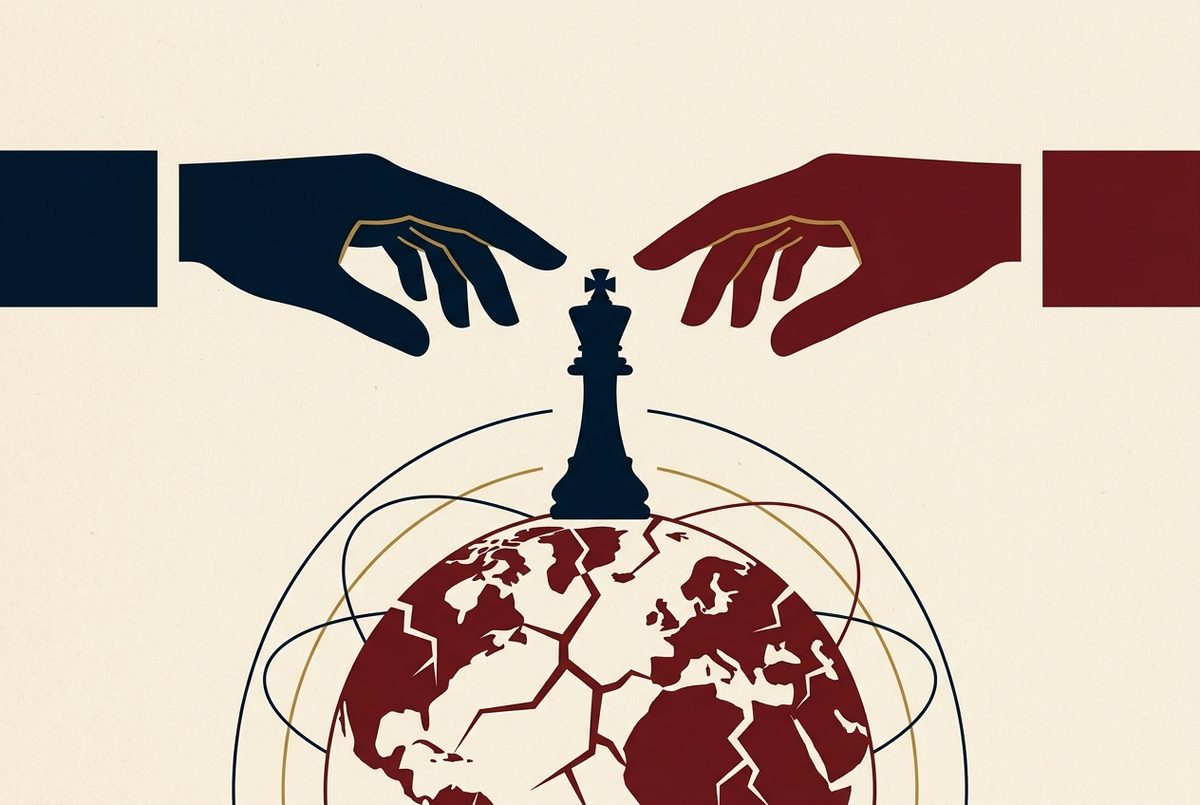
Governance Debt治理负债
Treats unresolved governance and trust deficits as liabilities that compound against future organisational capacity — decline is measured in what was deferred, not in current performance.把未解决的治理与信任赤字视为对未来组织能力复利计息的负债——衰退的度量是被推迟了什么,而非当期绩效。
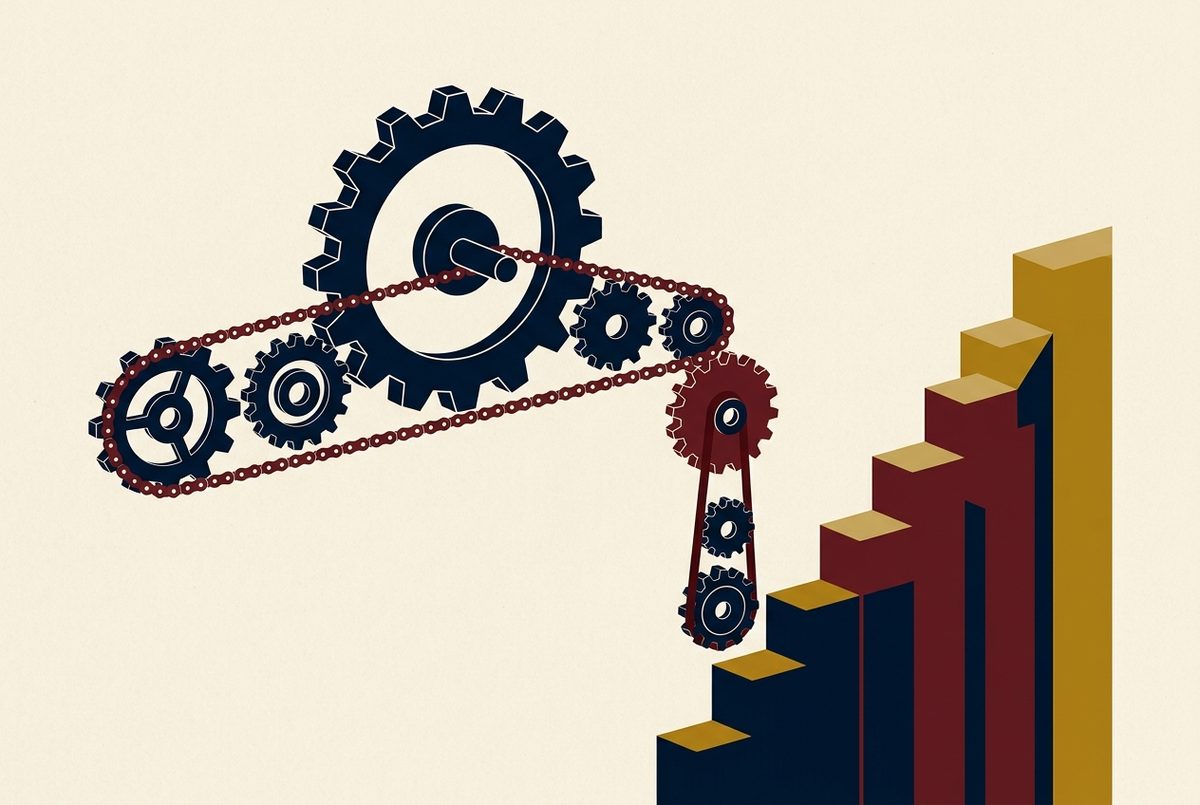
Dynamic Driver Replacement Theory (DDRT)动态驱动力替代理论
Models organisational lifespan through the succession of the drivers that sustain it, and explains why recovery after crisis is a qualitative substitution rather than a linear rebound.通过维系组织的驱动力更替来建模组织寿命,并解释为何危机后的恢复是质变式替换而非线性反弹。
The Home Model, applied — Stability as a Productive Asset家园模型的应用——稳定也是生产力
Can a company attract and retain capable people without always paying the highest salary? This essay applies the Home Model to the AI-era employment question — grounded in evidence from Statistics Canada, a hiring experiment, Trip.com's hybrid-work trial, and generative-AI studies.一家企业如果不总是支付市场最高工资,还能否吸引并留住人才?本文把家园模型应用到 AI 时代的雇佣问题上——以加拿大统计局数据、招聘实验、携程混合办公实验与生成式 AI 研究为证据。
The cognitive cornerstone, in motion认知基石 · 动态呈现
Scattered variables converge into one living, self-recalibrating picture — the Holographic & Dynamic Thinking Mode, the cognitive cornerstone of the four frameworks. Read the full essay on InsightBridge Global Intelligence →分散的变量汇聚成一幅实时再校准的整体图景——全景式动态思维模式,四套框架的认知基石。在洞见桥全球情报网阅读全文 →
How the four interlock四者如何互相咬合
The four are load-bearing on each other. Core Code Theory supplies the unit of analysis — the distinction between surface and code — which The Home Model then uses to explain what holds an organisation together when the surface is under stress. Governance Debt describes what accumulates when that covenant is not maintained. Dynamic Driver Replacement Theory describes what has to happen next: an organisation carrying too much governance debt cannot execute a driver substitution, because substitution requires exactly the trust reserve that the debt has consumed.四者互为承重结构。《核心代码理论》提供分析单元——表层与内核的区分;《家园模型》用这个单元解释:当表层承压时,是什么把组织维系在一起。《治理负债》描述当那份契约未被维护时,累积起来的是什么。《动态驱动力替代理论》描述接下来必须发生什么:一个背负过多治理负债的组织无法完成驱动力替换,因为替换所需要的恰恰是负债已经消耗掉的那部分信任储备。
That last sentence is the testable core of the system, and it is the one we would most like to be attacked.最后这句话是整个体系的可检验内核,也是我们最希望被攻击的一句。
Academic publication status学术出版状态
Nine academic works carry this material. Publication status is stated per title and updated as it changes.九部学术著作承载这套材料。出版状态按书名逐一如实标注,并随进展更新。
| Work | Framework | Status |
|---|---|---|
| Beyond Chaos | — | Under review at Strategic Organization |
| The Vertical Frontier | — | Manuscript in development |
| Core Code | Core Code Theory | Under review at Academy of Management Review |
| The Home Model | The Home Model | Manuscript in development |
| Active Demand Sovereignty | — | Manuscript in development |
| Intellectual Sovereignty | — | Manuscript in development |
| Knowledge Creation | — | Manuscript in development |
| The Long Winter of Civilizations | — | Manuscript in development |
| Subduing Without Fighting | — | Manuscript in development |
| Dynamic Driver Replacement Theory (article) | DDRT | Under development for submission to Strategic Organization |